Essential Technical Skills Every Theatre Volunteer Should Know
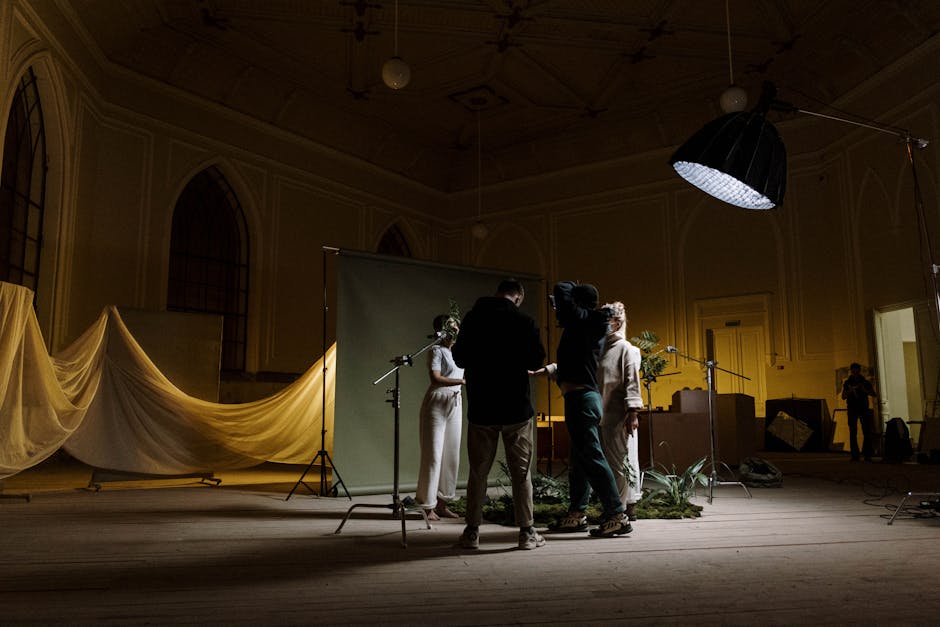
Community theatre relies on dedicated volunteers who wear many hats. If you're considering a technical role, understanding the fundamentals will make you invaluable to your group and enhance every performance.
Lighting Basics
Stage lighting shapes mood and guides audience attention. Learn about different fixture types: spotlights, fresnels, and wash lights. Understand colour gels and how they affect atmosphere. You don't need expensive equipment—many groups start with basic LED lights and improvise. Practice plotting cues so lights change at precisely the right moments. A smooth lighting transition can elevate an entire scene.
Sound Design and Operation
Clear audio is crucial. Familiarize yourself with mixing desks, microphones, and speakers. Understand levels—too loud damages ears, too quiet ruins dialogue. Learn to cue music and sound effects accurately during performances. Test equipment thoroughly before every show. Many technical problems stem from poor preparation rather than equipment failure.
Set Construction and Design
Sets don't require elaborate budgets. Learn basic carpentry: how to build flats, construct safe platforms, and create realistic backdrops. Understand sightlines—what can the audience see from different seats? Safe construction matters enormously. Faulty sets cause injuries. Take time to learn proper techniques.
Stage Management
The stage manager is the show's backbone. You'll coordinate all departments, call cues, manage props, and solve problems during performances. Develop clear communication systems with your technical team. Create detailed prompt scripts noting every cue, timing, and special instruction.
Health and Safety
Never compromise on safety. Ensure all electrical work follows UK regulations. Secure all set pieces properly. Check equipment regularly. Brief all cast and crew on emergency procedures. Many venues require risk assessments—learn to complete them properly.
Learning Resources
YouTube offers excellent technical tutorials. The Society of British Theatre Technicians provides training and certification. Many local colleges offer evening courses in theatre technology. Don't hesitate to ask experienced volunteers—most love sharing knowledge.
Start Somewhere
You needn't master everything immediately. Start with one area—perhaps lighting or sound. Build skills gradually through experience. Each production teaches you something new. The technical team creates theatre's invisible magic, and that's deeply rewarding work.